
Unraveling the intriguing history of gambling through the ages
The Origins of Gambling
The history of gambling can be traced back to ancient civilizations, where games of chance were common forms of entertainment. Archaeological evidence suggests that the earliest recorded gambling activities appeared in China during the Shang Dynasty, around 1500 BC. Games involving dice were prevalent, and the earliest known set of dice dates back to this period. These simple games served not only as pastimes but also reflected the social structures and belief systems of the time. Today, players can also enjoy experiences in modern venues like a bitcoin casino, which offers a unique twist on traditional gambling.

In addition to China, ancient Mesopotamia also played a significant role in the development of gambling. The Sumerians, who thrived between 4500 and 1900 BC, utilized game pieces made from clay, and various forms of betting emerged. These early gambling practices showcased the human inclination towards risk and chance, as people began to wager goods, livestock, and even personal belongings. Such activities laid the groundwork for the more structured gambling practices that would emerge in subsequent cultures.
As gambling spread across the globe, different societies added their unique flavors to the activity. In Ancient Rome, for instance, gambling was a staple of public life, with games like dice and betting on gladiatorial contests gaining immense popularity. This societal acceptance of gambling helped to solidify its position in history, highlighting humanity’s longstanding fascination with games of chance and the allure of winning.
The Middle Ages and Gambling Evolution
The Middle Ages marked a significant turning point in the evolution of gambling, with many countries implementing regulations that shaped how it was conducted. During this period, games like chess and card games became prevalent among the nobility, leading to the creation of gambling establishments known as gaming houses. These venues offered a more organized setting for betting and attracted a diverse clientele, from commoners to royalty.
With the expansion of trade routes and cultural exchange, card games made their way from the East to Europe, where they evolved into various forms. The introduction of playing cards revolutionized gambling, providing a new dimension of strategy and skill. By the end of the Middle Ages, many European countries began to recognize gambling as a legitimate form of entertainment, paving the way for the establishment of official gaming laws and licensing systems.
However, the Church’s influence during the Middle Ages often led to conflicting views on gambling. While some leaders attempted to demonize gambling as a vice, others embraced its social aspects, recognizing its potential for fostering community interaction. This duality created a rich historical narrative that highlighted gambling’s importance in medieval society, foreshadowing its resurgence during the Renaissance period.
The Renaissance and the Golden Age of Gambling
The Renaissance brought a renewed interest in arts, culture, and intellectual pursuits, and gambling was no exception. This era saw the rise of sophisticated gaming establishments, particularly in Italy and France. The emergence of iconic games like baccarat and roulette captured the imagination of the wealthy elite, who frequented lavish casinos in cities like Venice and Paris. Gambling transformed into a symbol of status and luxury, attracting high rollers eager to stake their fortunes.
During this golden age of gambling, legislation began to formalize the industry. Governments recognized the economic potential of regulated gambling and introduced taxes on winnings and gaming establishments. This move not only legitimized gambling but also provided a source of revenue for nations grappling with the costs of war and other societal issues. As a result, various forms of gambling became entrenched in the fabric of society.
The fascination with gambling during this time also inspired literature and art, leading to an exploration of themes surrounding luck, chance, and fate. Writers like Shakespeare wove gambling motifs into their plays, further embedding the practice into cultural consciousness. The Renaissance paved the way for the modern gambling world, creating a legacy that would endure for centuries to come.
The 19th Century and the Rise of Modern Gambling
The 19th century marked the dawn of modern gambling as we know it today. With the advent of industrialization and urbanization, gambling houses evolved into grand casinos. The construction of iconic venues, such as the Casino de Monte-Carlo in Monaco, epitomized the opulence associated with this form of entertainment. These establishments attracted tourists and high rollers from around the world, solidifying gambling as a key component of the leisure industry.
The introduction of new games, including poker and blackjack, diversified the gambling landscape, appealing to a broader audience. The Wild West era in America also contributed to the popularity of gambling, as saloons became hotspots for card games and betting on various contests. This period saw the birth of poker’s iconic status, which would later lead to major tournaments and a dedicated player community.
As gambling continued to flourish, the need for regulation became increasingly evident. Governments around the world began implementing gaming laws, establishing fair play and consumer protection measures. This regulatory framework not only ensured transparency but also fostered an environment where gambling could thrive without descending into chaos, setting the stage for the gambling practices we observe in contemporary society.
Gambling in the Digital Age
The advent of the internet has transformed gambling into a global phenomenon. Online casinos emerged in the late 20th century, providing players with unprecedented access to a plethora of games from the comfort of their homes. This digital revolution not only broadened the appeal of gambling but also introduced innovative technologies such as live dealer games and virtual reality experiences, captivating a tech-savvy audience.
Cryptocurrency has further disrupted traditional gambling methods, offering anonymity and secure transactions. Platforms that accept Bitcoin and other digital currencies have gained traction, providing players with faster payouts and enhanced privacy. As players seek more reliable and secure gambling experiences, this trend is likely to continue, reflecting the ongoing evolution of the industry.
In a world where convenience and accessibility reign supreme, the future of gambling appears bright. With advancements in technology and a growing acceptance of various gambling forms, the industry is poised for continued growth. This transformation echoes the historical journey of gambling, illustrating its adaptability and enduring allure throughout the ages.
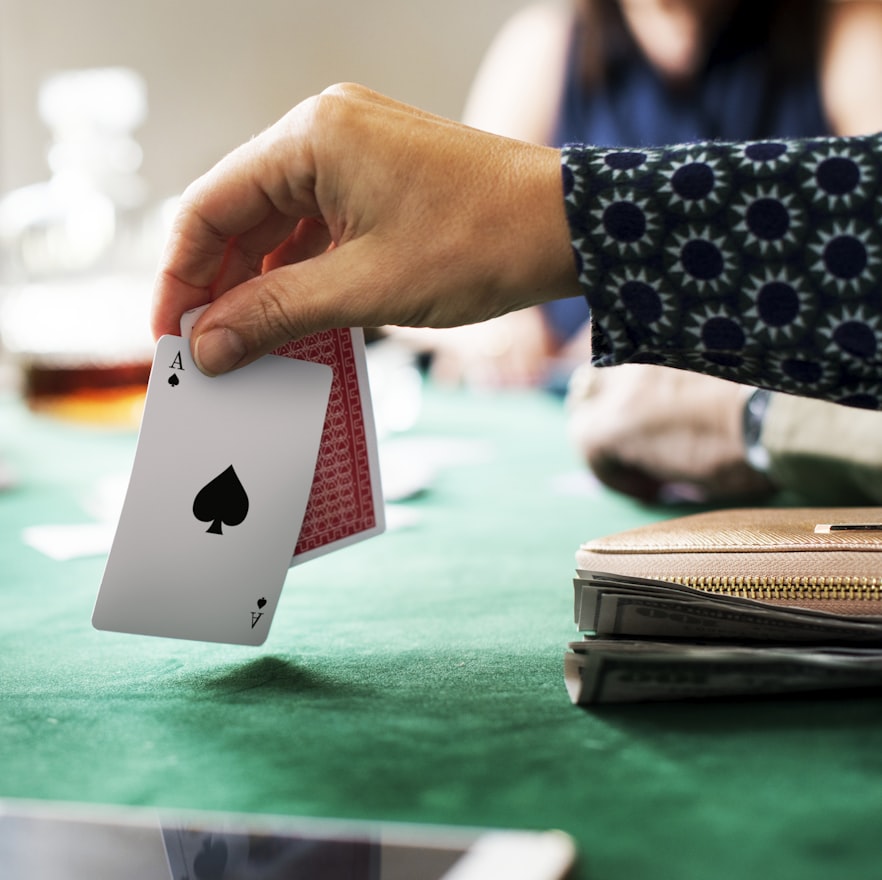
Explore the Exciting World of Online Gambling
As the gambling landscape continues to evolve, many players are turning to online platforms for their gaming needs. With a plethora of options available, players can find a wide array of games, ranging from traditional table games to innovative slots. The convenience of playing from home, coupled with enticing bonuses and promotions, makes online gambling an attractive choice for both new and seasoned players alike.
Websites dedicated to online gambling provide valuable resources for players, including reviews and comparisons of various platforms. Such information enables players to make informed decisions, ensuring they choose reputable casinos that prioritize security and customer satisfaction. By empowering players with knowledge, these resources contribute to a safer and more enjoyable gambling experience.
As you embark on your gambling journey, consider exploring the vast world of online casinos. With endless possibilities at your fingertips, the experience promises excitement and engagement, echoing the rich history of gambling that spans centuries. Whether you’re a high roller or a casual player, the digital age offers something for everyone in this thrilling realm of chance and skill.